Child and teen modelling and acting: a parent's guide to doing it safely
Children do work in this industry, legally and well, when the adults around them get a few things right. Permits, chaperones, hours, who holds the money, and the offers that should end the conversation.
Your first shoot: what actually happens on set, hour by hour
Nobody explains the day to you because everyone else has done it a hundred times. Call sheets, call times, hair and makeup, who is who, and the few things that quietly decide whether you get booked again.
Background acting: the most realistic first paid job on a film set
Supporting artist work pays, teaches you a set faster than any class, and is one of the few doors into this industry that is genuinely open. What the day involves, what it pays, and what it does and does not lead to.
How to become a brand ambassador: what a brand is actually buying when it buys a face
Being the face of a brand is one of the best-paid jobs in this industry and one of the least understood. What brands look for, how the deals are structured, and the approaches that are not real.
How to become a model with no experience: a realistic first year
No portfolio, no agency, no contacts, and a phone full of photos that were never meant to be professional. That is where nearly everyone begins. Here is what the first year actually looks like.
How to become an actor with no training: where to actually start
Drama school is one route in, not the route. What you can build without one, in what order, and what a casting director is really weighing up when they open your file.
Model measurements explained: how to measure yourself the way agencies expect
Bust, waist, hips, height, shoe and clothing size. Where the tape actually goes, which number people check first, and why flattering figures cost you work.
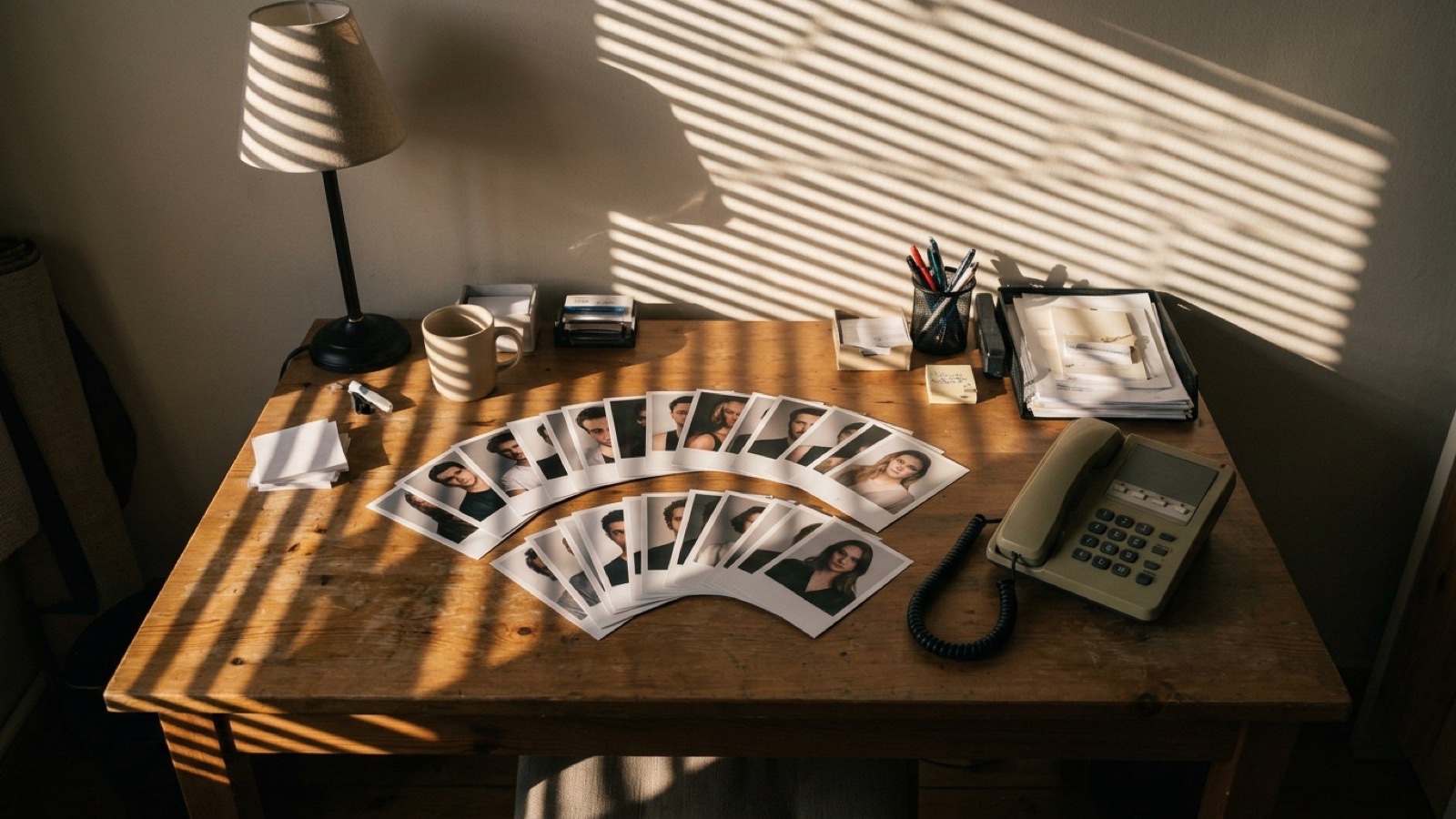
Digitals and polaroids: shooting agency-standard photos at home with a phone
The first thing an agency asks for, and the thing beginners most reliably get wrong — because the instinct is to look good and the entire point is that you should not.
Modelling scams: eleven red flags, and the one rule that catches them all
Every version of this ends the same way — with you paying somebody who has found you no work. How the approach is worded, why it is convincing, and how to check in ten minutes.
What is a casting call? Open calls, go-sees, self-tapes, callbacks and fittings
Five different events share one word, and walking into the wrong one unprepared is how most people learn the difference. What each casting call actually is, and what to bring.
How to record a self-tape audition that gets watched to the end
Most self-tapes are switched off in the first fifteen seconds, and usually for reasons that have nothing to do with the acting. Framing, sound, light, slating and the reader.