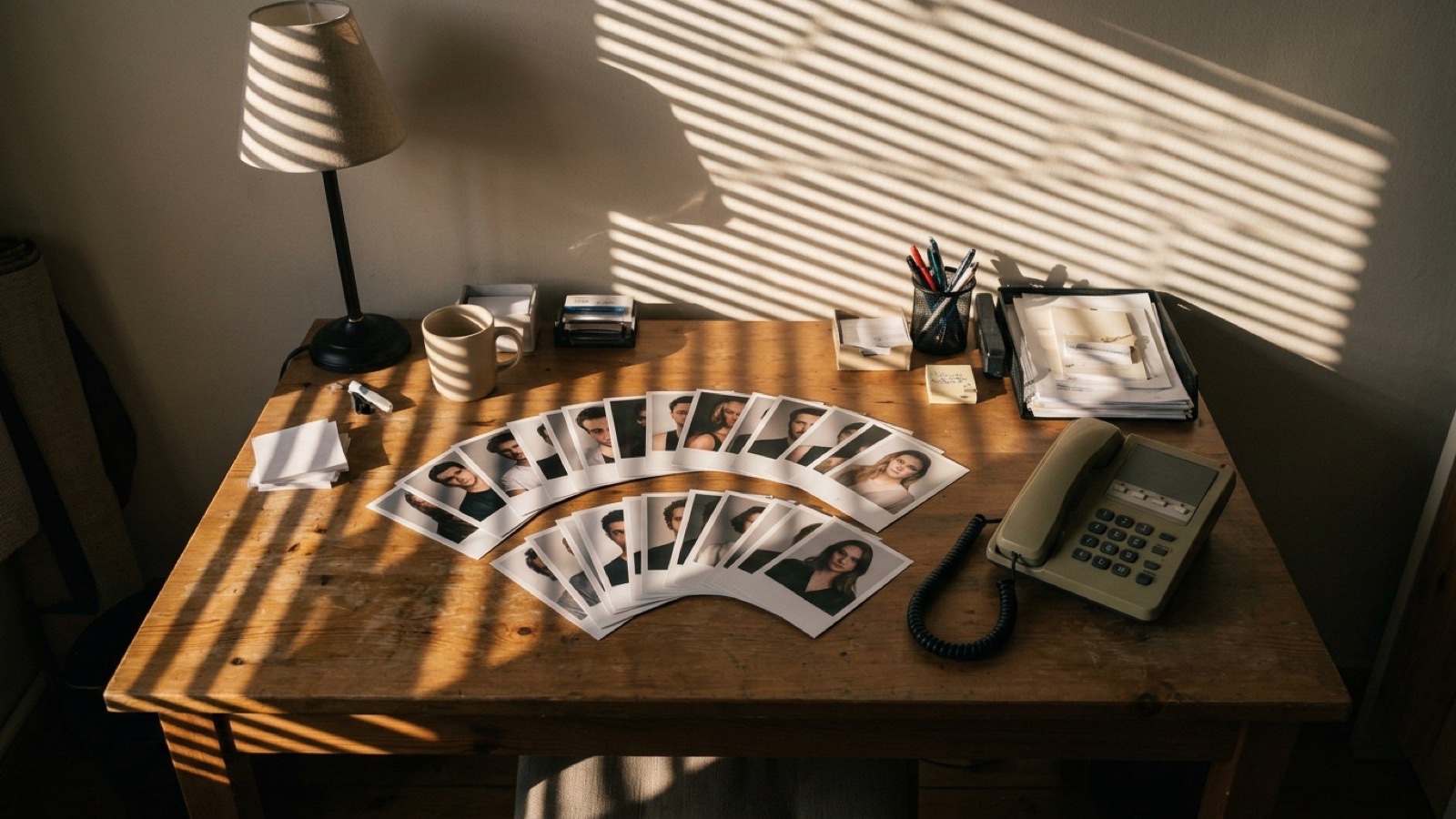
The first shoot is rarely difficult. It is unfamiliar, which feels the same from the inside but is fixed by different things. Everyone else on that set has done the day a hundred times, so nobody thinks to explain it, and most first-timers spend the morning trying to work out where to stand.
Here is the day, in the order it happens.
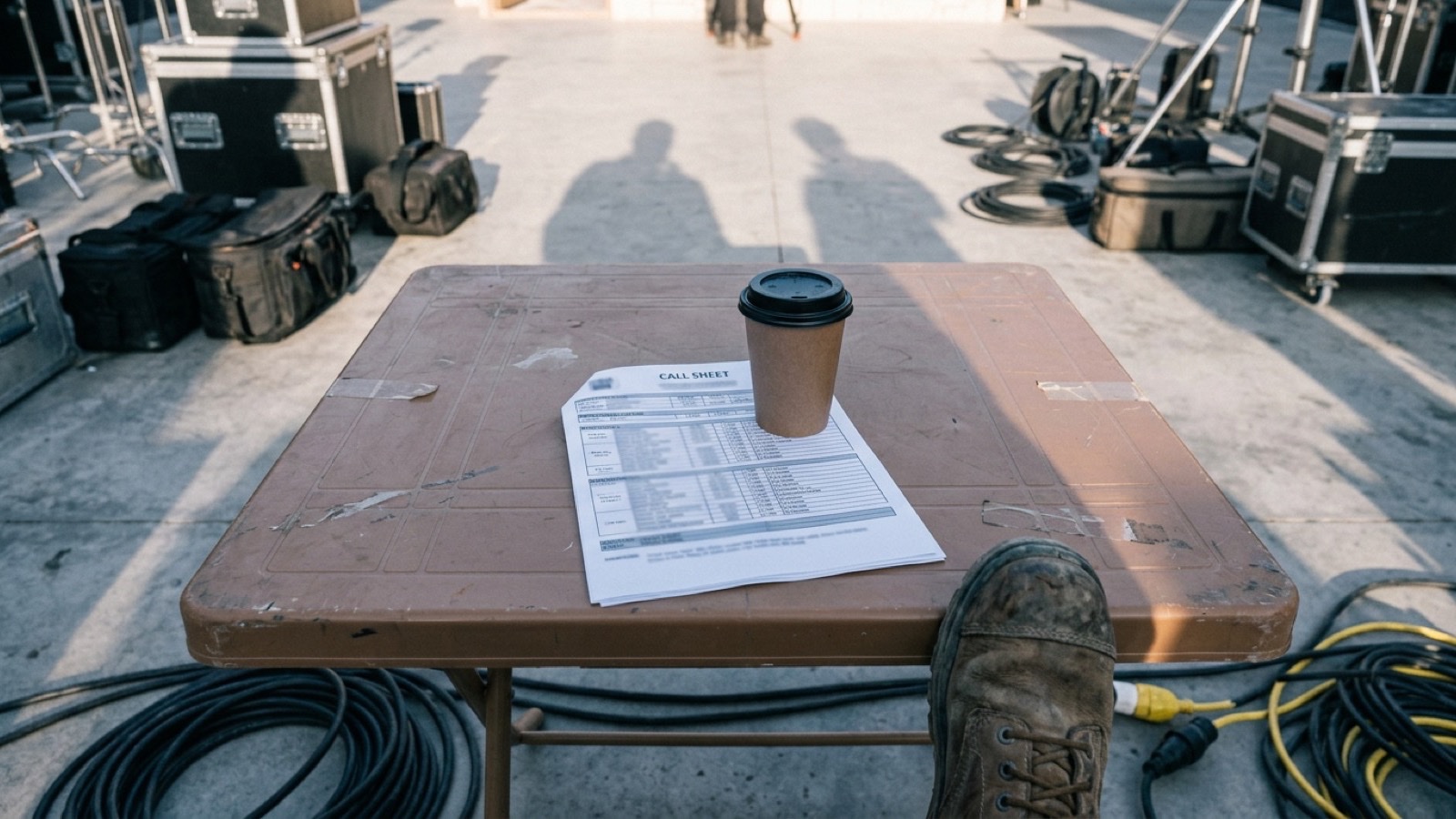 The call sheet answers most of the questions you were going to ask.
The day before: the call sheet
A call sheet is the document that runs the day. You should receive one, and if you have not by the evening before, ask.
- Call time. The time you are required to be there, ready to start — not the time you set off.
- Location and how to get in, which is often a specific door or a unit base rather than the main entrance.
- What to bring. Own clothing, specific shoes, your own base makeup for some jobs.
- Who to contact on arrival and their number.
- Schedule and the expected wrap time.
Read it the night before and put the contact number in your phone. Arriving fifteen minutes early is professional; arriving an hour early means standing in the way while people rig.
Arrival, and who everyone is
Find the person named on the call sheet and say who you are. From that point you will be handed around, and it helps to know what the hands do.
- Producer runs the money and the schedule. Contracts and payment questions go here.
- Director or photographer runs what the work looks like and directs you.
- First assistant director runs the floor on a film set and owns the clock. If they ask for something, do it first.
- Stylist and wardrobe dress you and are responsible for the clothes.
- Hair and makeup prepare you and maintain it through the day.
- Client is whoever is paying, often watching quietly and not always introduced.
Hair, makeup and wardrobe
You will usually go into hair and makeup first, and it takes longer than you expect. Come with clean skin and clean, dry, unstyled hair unless you were told otherwise — arriving already made up creates work rather than saving it.
Wardrobe will have clothes prepared from your measurements. This is the moment where a card with flattering numbers becomes an expensive problem, so if anything has changed since you were booked, say it now rather than letting a zip discover it.
Changing happens where wardrobe says. If you are asked to change in the open and you are not comfortable, ask for a screen or a room. That is a normal request and a professional set will have thought of it already.
Shooting
The work itself is repetitive, and that surprises people. The same setup will be shot many times while light, styling and expression are adjusted around you. Long stretches of standing still are part of it.
- Take direction literally and try the thing being asked before offering an alternative.
- Hold the position until you are told it is clear. People are watching edges you cannot see.
- Ask if you are unsure. A question costs seconds; a ruined setup costs the morning.
- Watch your marks — tape on the floor is there for focus and framing, not decoration.
- Say when something hurts. Shoes, pins, heat, a held position. Nobody wants an injury and nobody can see it from behind a camera.
 The tape is for the camera, and it matters.
The unwritten part
What gets people rebooked is almost never how they photographed. It is whether the day was easier because they were in it.
- Be early, be reachable, be where you said.
- Phone away while working. This is the most common complaint about new people, by a distance.
- Do not photograph the set or the clothes unless you are told you may. Most campaigns are confidential until release.
- Eat and drink when offered. Long days end badly otherwise.
- Learn names and thank the crew, not only the person who booked you.
- Do not ask the client for the images. Ask the producer when and how they will be available, and expect that to be months.
Wrap, and afterwards
Return everything you were given, including jewellery and shoes, and change back into your own clothes before you leave. Check the call sheet for whether you are needed again.
Then invoice promptly if you invoice, with the date, the fee and the agreed usage on it. The images will appear when the campaign runs and not before, and asking repeatedly does not accelerate it.
A note on what you agreed to
The shoot day is not the moment to negotiate. Anything about nudity, usage, territories or duration should already have been in writing before you travelled — if something new appears on the day that was not in the brief, you are allowed to decline it, and the professional answer is to raise it with the producer rather than quietly comply.
CastHub is not an agency: we do not represent you, negotiate for you, or take any share of your fee. The terms are between you and the company that booked you, which is exactly why the written brief before the day matters as much as the day itself.